


Henry John Lintott RSA – Farmstead with Windmill
Couldn't load pickup availability
Description
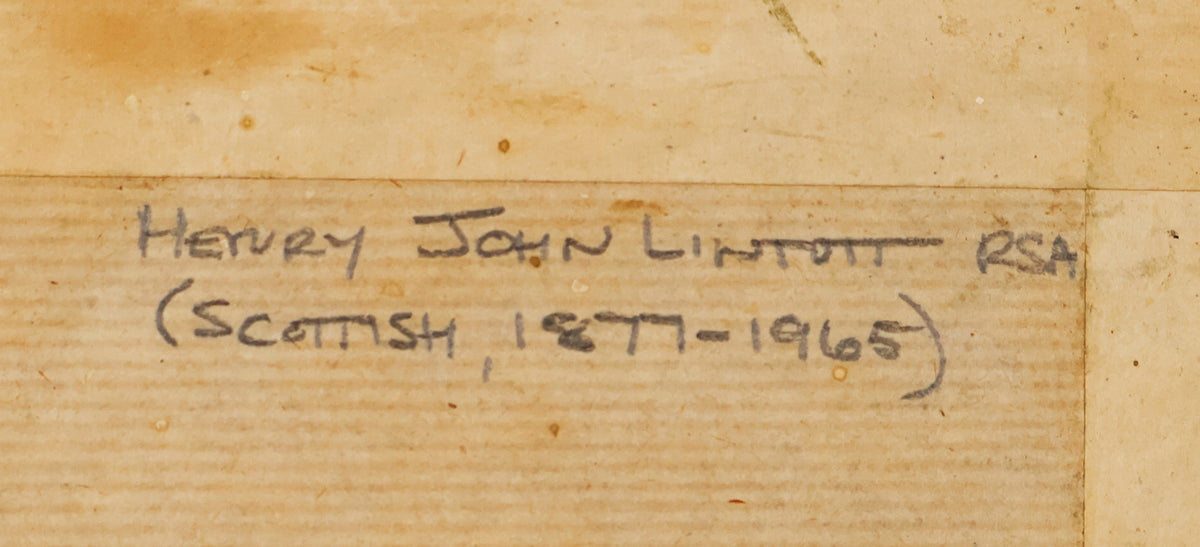
Henry John Lintott RSA (1877–1965) - Farmstead with Windmill
An atmospheric early 20th-century oil on board by Scottish painter Henry John Lintott RSA (1877–1965), depicting a low rural farmstead set beneath mature trees, with a windmill rising on the distant hillside beyond. Unsigned, but with particularly strong provenance, the painting is recorded as having descended within the family of the artist.
The composition is built around a group of long, low farm buildings stretching horizontally across the middle distance. Their pale walls and warm brown roofs stand out against the surrounding greens, while a narrow track winds towards the buildings from the left. Behind them rises a substantial group of mature trees, forming a dark central mass against the cool blue-grey sky.
At the upper right, the pale sails of a windmill appear beyond the trees and hillside. Although relatively small within the composition, the windmill provides an important visual accent and gives the landscape a distinctive rural character. Its light colouring contrasts sharply with the darker foliage immediately beside it, drawing the eye towards the distant horizon.
Lintott handles the landscape with considerable freedom. The foreground is painted in broad passages of deep green, olive and brown, with areas of the underlying board left visible or only thinly covered. Rather than describing every detail, he suggests grasses, uneven ground and vegetation through broken touches and loosely dragged paint. The effect is that of a direct landscape study, concentrating attention on the overall arrangement of buildings, trees and land rather than precise finish.
The restrained palette is particularly effective. Dark olive greens and earthy browns dominate the foreground and trees, while the farm buildings are picked out in cream, muted red and soft grey. Above them, the cool blue-grey sky gives the painting a subdued, almost overcast atmosphere. Small touches of warmer yellow-green across the distant fields provide contrast and prevent the composition from becoming overly sombre.
The painting has a strong sense of rural stillness. The buildings sit low within the landscape and appear almost absorbed by the surrounding trees and fields, while the distant windmill gives a subtle suggestion of agricultural activity beyond the immediate farmstead. The result is less an idealised pastoral scene than an intimate observation of working countryside.
Born in Brighton in 1877, Henry John Lintott spent the greater part of his professional life in Scotland and became closely associated with the Edinburgh art world. He joined the staff of Edinburgh College of Art in 1902, where he taught for more than four decades, and was elected an Associate of the Royal Scottish Academy in 1916 before becoming a full Academician in 1923.
Lintott was particularly known for landscape painting, and his work reflects the influence of late Impressionism and early 20th-century British modernism while remaining firmly rooted in direct observation of the countryside. His landscapes are often characterised by subdued colour, simplified forms and a sensitive treatment of changing light and atmosphere.
The small scale, board support and spontaneous handling of the present work suggest a likely date in the 1920s or 1930s. The relatively informal treatment and visible passages of board give it the character of a closely observed landscape study rather than a highly finished studio composition.
Of particular interest is the painting's provenance. The work is recorded as having passed by descent within the family of Henry John Lintott, providing persuasive support for the attribution despite the absence of a visible signature. It formed part of the same family group as Lintott's Hillside Landscape in Summer, another small oil on board of closely comparable scale and handling.
Presented under glass in a simple cream-painted period frame with a narrow gilt inner border. The understated frame works particularly well with the painting's muted palette and rural subject.
A charming and evocative example of Lintott's landscape painting, combining a traditional farmstead subject with loose, expressive handling and a particularly appealing glimpse of the windmill beyond. The direct family provenance adds further interest for collectors of Scottish and early 20th-century British art.
Artist: Henry John Lintott RSA (1877–1965)
Title: Farmstead with Windmill
Date: Circa 1920s–1930s
Medium: Oil on board
Signed: Unsigned
Unframed size: 34cm x 26cm
Framed size: 39cm x 31cm
Provenance: By descent in the family of the artist
Presentation: Framed and under glass
Condition: Good antique condition overall. The painting displays age-related surface wear, minor marks and areas of thinly applied paint or exposed board consistent with its loose and spontaneous execution. The painted surface has a noticeable layer of accumulated dirt and surface grime, which contributes to the work’s aged, atmospheric character. The period frame shows general wear, rubbing and small areas of loss to the painted and gilt surfaces.


New Arrivals
-
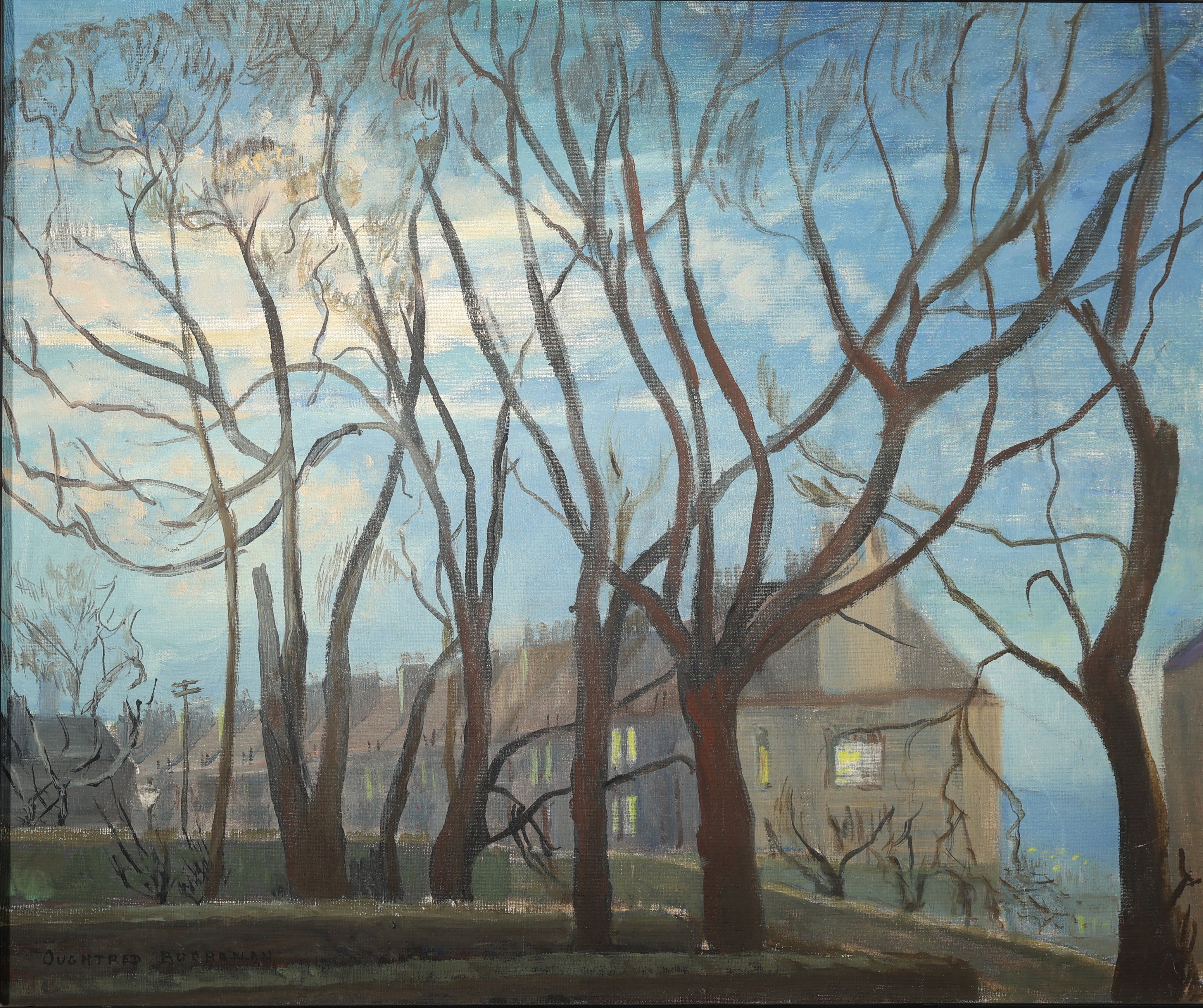
Evelyne Oughtred Buchanan – Twilight, Edinburgh
£395.00£395.00 -
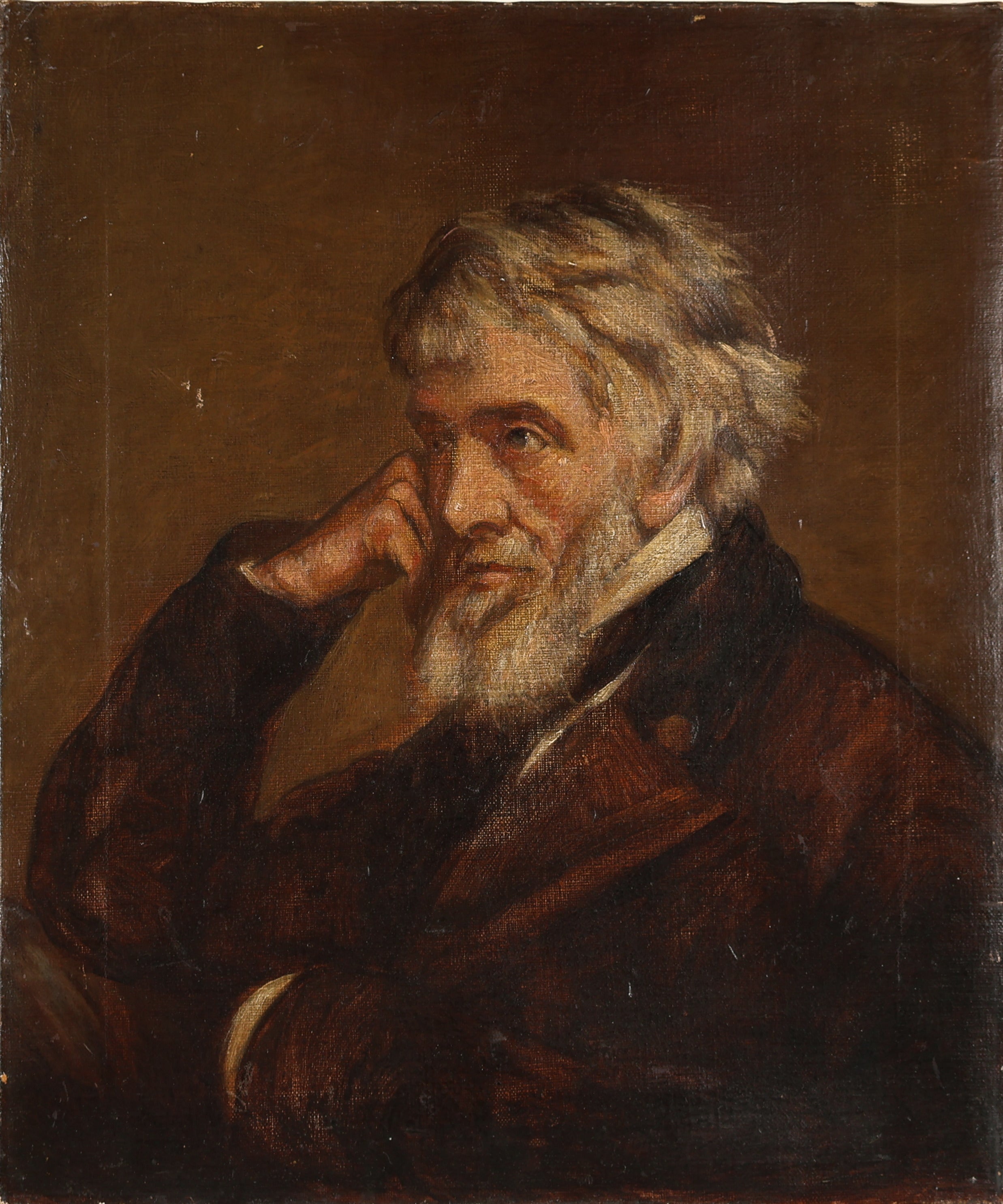
Portrait of Thomas Carlyle
£295.00£295.00 -
Ronald A. H. Craig – Still Life with Plant & Yellow Cloth
£295.00£295.00 -
Templand Viaduct, Cumnock
£695.00£695.00 -
After William Adolphus Knell – HMS Geyser off Mount Edgcumbe
£395.00£395.00
